
Category: Heat Pumps & HVAC

Heat pump installation, maintenance, troubleshooting, and cold-weather performance advice for Maine.

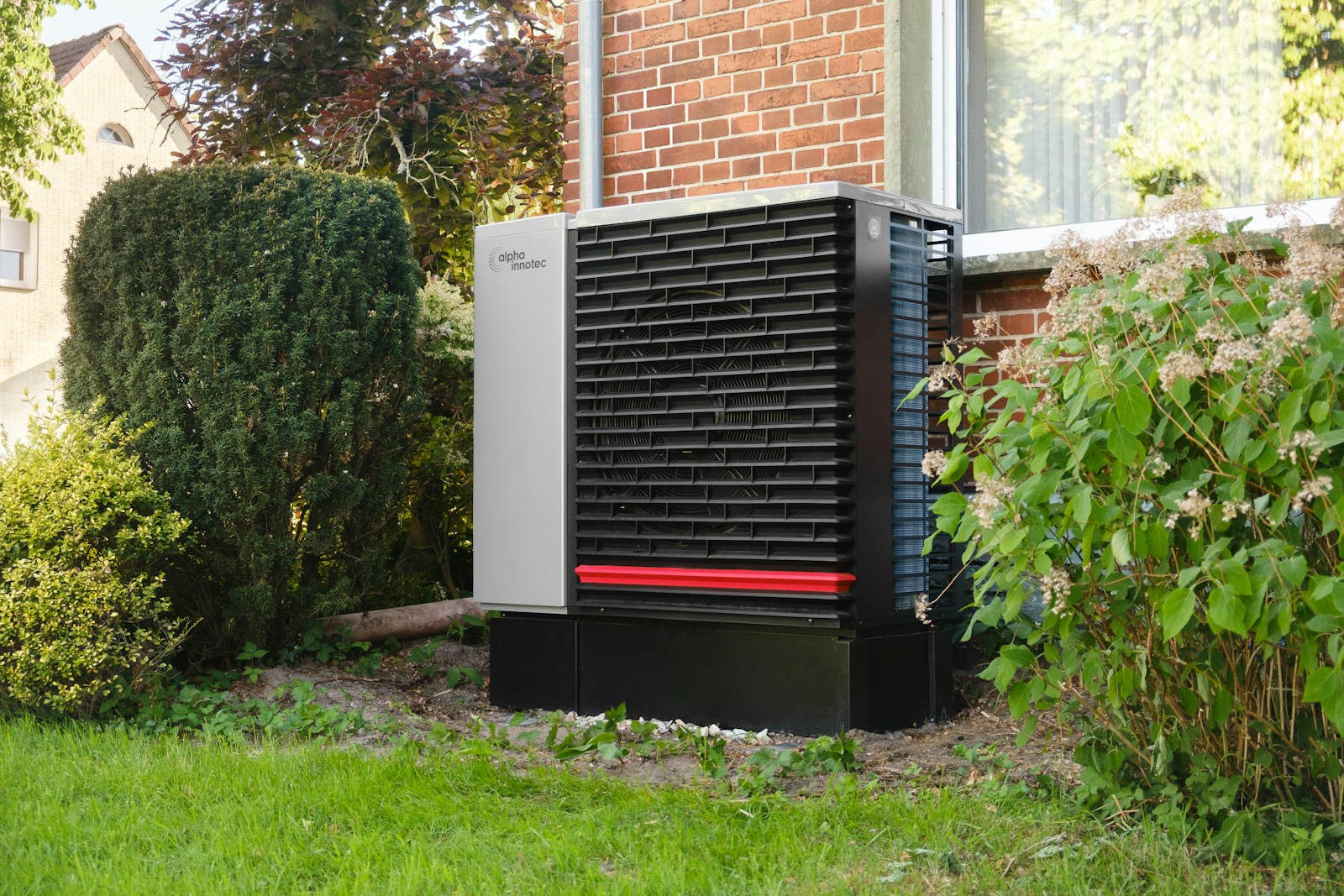
  • Heat Pump Pausing or Steaming? Normal Defrost vs. an Icing Problem

    Heat Pump Pausing or Steaming? Normal Defrost vs. an Icing Problem

    A heat pump that pauses on a chilly, damp morning is not automatically broken. Neither is an outdoor unit giving off a brief cloud of vapor. Before you start changing settings, the useful question is whether the system clears its frost and gets back to heating.

    Need help with this now? If the ice is not clearing or your heat pump is not returning to normal heating, Red Sky can diagnose the system before cold weather makes the problem urgent. Call 207-801-0526 or request service online.

    For Midcoast Maine homes and small shops heading into heating season, here is how to separate a normal defrost cycle from a problem worth a service call. This is general guidance for air-source heat pumps; your model’s operating manual takes priority.

    Why frost forms in the first place

    In heating mode, the outdoor coil takes heat from the air and can be colder than the air around it. Moisture can freeze on that coil. Defrost temporarily sends heat outdoors to melt the frost before normal heating resumes. Natural Resources Canada explains the refrigeration and defrost process.

    What a normal cycle can look like

    A brief vapor cloud, a change in compressor sound, a swooshing noise, or an outdoor fan that stops can be normal during defrost. Trane’s homeowner explanation describes these signs. The important part is what happens afterward: frost clears and heating returns.

    Indoors, the response depends on the equipment. Some ductless units pause their indoor fan or show a standby indication; a ducted system may use supplemental heat if it is equipped and configured for it. Mitsubishi Electric describes the temporary indoor heating pause. Do not assume every mini-split has electric backup heat.

    There is no single stopwatch test for every brand and weather condition. Note the pattern and compare it with your own manual rather than treating a generic internet time limit as a diagnosis.

    When it deserves a service call

    Call if heavy ice keeps building, heating does not recover, or repeated defrost interruptions leave the room getting colder. An error code is useful information, too. Trane specifically recommends service when defrost becomes effectively constant or increasingly prolonged while ice accumulates.

    A photo of ice alone does not establish which component is at fault. The next step is diagnosis, not guessing at parts or assuming the equipment needs replacement. Our heat-pump repair service covers operating, airflow, control, electrical, and refrigeration concerns.

    Keep the homeowner checks simple

    Use Heat mode for winter operation; that is different from choosing Auto fan speed. Check the accessible filters as your manual directs and keep leaves, shrubs, and snowdrifts from obstructing the outdoor unit. Efficiency Maine’s user tips cover these operating basics and explain that heat pumps defrost automatically.

    Keep hands and tools out of the fan and coil. Do not chip ice off the equipment, remove service panels, or try to force a defrost through undocumented controls. If ice is interfering with a moving fan, stop the system with its normal control and arrange service. Use your established backup-heating plan if the building cannot maintain a safe temperature.

    What to send when you request help

    From a safe, accessible position, take an overall photo of the outdoor unit and a closer photo of the ice without reaching inside. Write down the model number if readily available, the controller’s exact error message, the mode and temperature setting, and whether one indoor unit or the whole system is affected.

    Also note when the pause began, whether heating returned, and whether the problem repeats. Those observations give a technician a much better starting point than “it quit again.” For a shop, mention any risk to occupied rooms, plumbing, or temperature-sensitive materials.

    Get it checked before cold weather makes it urgent

    For planned upkeep, see our heat-pump maintenance page. For a system that is not recovering, contact Red Sky at Night Electric – Heat Pumps Too! with the symptoms above. Check our Midcoast service-area directory for your community.

    Technical sources checked October 15, 2026. General homeowner guidance, not a model-specific troubleshooting procedure.

    Heat pump not recovering after defrost?

    Send us the model number, error code, and a few safe photos. Red Sky services heat pumps throughout Waldoboro, Camden, Rockport, Damariscotta, and surrounding Midcoast Maine communities.


  • Before the First Hard Freeze: A Midcoast Maine Home Readiness Checklist

    Before the First Hard Freeze: A Midcoast Maine Home Readiness Checklist

    Cold weather has a way of finding the weak spots in a Maine home. A little preparation now can prevent nuisance trips, frozen equipment, expensive service calls, and an uncomfortable house during the first serious outage.

    Need help with this now? Want help checking your heat pumps, electrical system, or generator connection before the first hard freeze? Red Sky can work through the priorities with you. Call 207-801-0526 or request service online.

    Give the heat pump a clear path

    Make sure the outdoor unit is clear of leaves, tall grass, stored materials, and anything else that restricts airflow. Leave room around the coil and above the unit for discharge air. Check that roof runoff will not freeze onto the equipment and that snow can be cleared without burying the unit.

    Clean the indoor filters and run every head in heating mode before you truly need it. Listen for unusual vibration, confirm that the louvers move normally, and make sure each room begins warming. A heat pump that struggles now is not likely to improve when temperatures fall.

    Check the electrical basics

    • Test smoke and carbon-monoxide alarms and replace weak batteries.
    • Look for warm receptacles, flickering lights, buzzing switches, or breakers that trip repeatedly.
    • Keep electric heaters plugged directly into a properly sized wall receptacle—never an extension cord or power strip.
    • Confirm outdoor covers close properly and cords are not pinched in doors or windows.

    A breaker that trips is doing its job. Resetting it repeatedly without finding the cause can turn a warning into a hazard. If a circuit will not stay on, leave it off and have the problem traced.

    Prepare for outages before the wind starts

    Start and test portable generators outdoors, well away from doors, windows, and vents. Check the oil, fuel condition, starting battery, cords, and inlet connection. Never backfeed a home through a receptacle. A listed transfer switch or approved interlock is what keeps utility workers, your equipment, and your family protected.

    Decide in advance which loads matter most: heat, well pump, refrigerator, freezer, lighting, communications, and any medical equipment. Knowing the load priorities makes a smaller generator much more useful and helps prevent overloads.

    Know when to call

    Call for service if you smell hot insulation, see discoloration around electrical equipment, hear persistent buzzing, lose heat from one or more indoor units, or find the generator connection is improvised or uncertain. Those are problems worth addressing before a storm.

    Get the house ready before the weather turns

    Red Sky handles electrical, heat-pump, and backup-power work throughout Waldoboro, Camden, Rockport, Damariscotta, and surrounding Midcoast Maine communities.
  • Fall Heat Pump Check: What to Test Before Heating Season

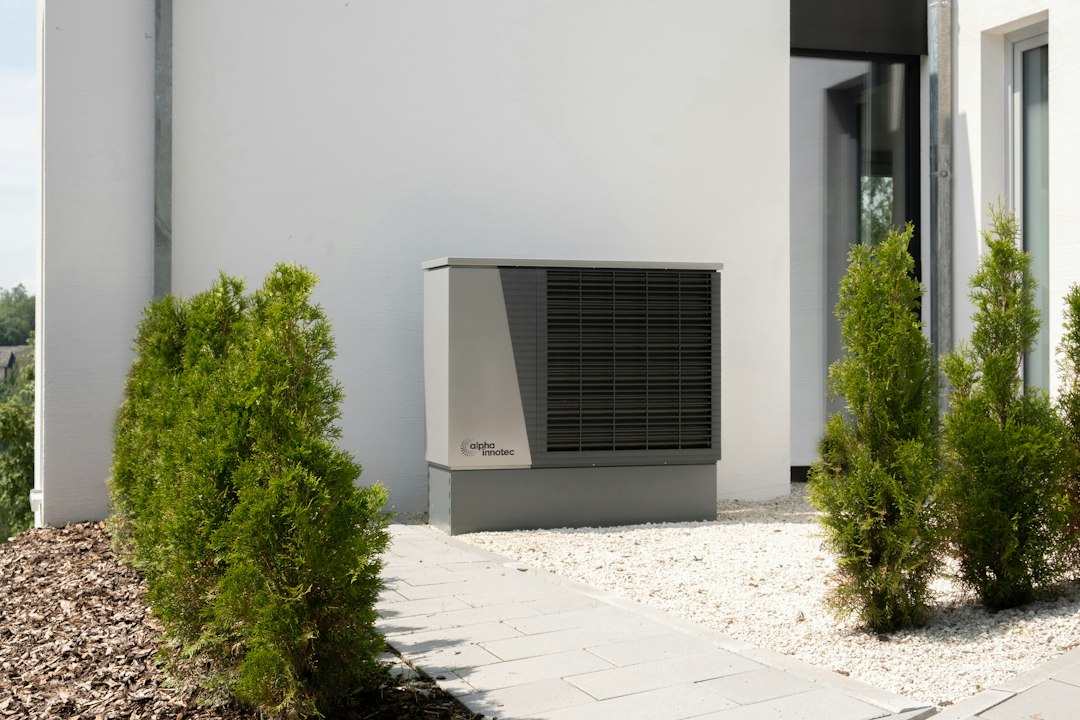
    Fall Heat Pump Check: What to Test Before Heating Season

    The first cold morning should not be the first time a heat pump is asked to heat after summer. A short fall check gives you time to find weak airflow, drainage trouble, damaged equipment, or control problems before service schedules fill up.

    Need help with this now? If a heat pump is noisy, weak, leaking, or unreliable during this check, Red Sky can diagnose it before service schedules tighten up. Call 207-801-0526 or request service online.

    Run every indoor unit in heat

    Set each zone to heating mode and allow it time to respond. Confirm the louvers move, the fan sounds normal, and warm air reaches the room. Multi-zone systems may pause while changing operating mode, so avoid judging performance from the first minute alone.

    Clean filters and inspect airflow

    Washable screens should be clean and fully dry before reinstalling. Make sure furniture, curtains, storage, or tall plants are not blocking the indoor unit. If airflow is still weak with clean filters, the coil or blower may need professional cleaning.

    Clear the outdoor unit

    Remove leaves, grass, and stored objects from around the outdoor coil. Look for bent guards, damaged line covering, or signs that water from a roof or gutter will fall onto the equipment and freeze. Maintain a practical path for snow removal throughout winter.

    Check drainage and unusual symptoms

    Water staining below an indoor head, musty odor, ice in mild weather, repeated shutdowns, error codes, or new vibration should be addressed. Heat pumps naturally defrost outdoors in cold weather, but persistent heavy ice or poor recovery can indicate a problem.

    Know the backup plan

    Confirm that any backup heat is functional and that everyone knows how it is controlled. If the home relies heavily on heat pumps, outage planning should account for generator capacity, safe connections, and which zones are most important.

    If the system is noisy, weak, leaking, or unreliable, schedule heat pump service before the coldest weather arrives.

    Found a problem during your fall check?

    Red Sky provides heat-pump service throughout Waldoboro, Camden, Rockport, Damariscotta, and surrounding Midcoast Maine communities.
  • Why Heat Pump Sizing Matters More Than Bigger Equipment

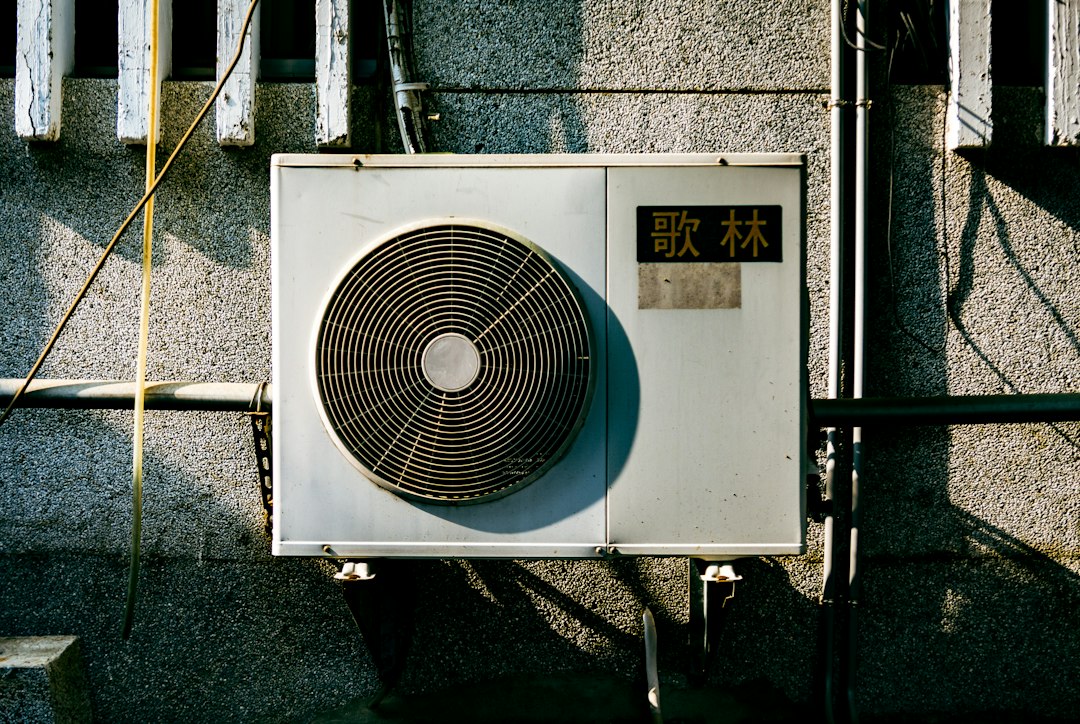
    Why Heat Pump Sizing Matters More Than Bigger Equipment

    A larger heat pump is not automatically a better heat pump. Comfort depends on matching equipment to the building, placing indoor units thoughtfully, and understanding how heat moves through the home.

    Need help with this now? Planning a heat pump installation or questioning an existing system’s performance? Red Sky can review the building, layout, and cold-weather needs before equipment is selected. Call 207-801-0526 or request service online.

    Start with the building

    Square footage is only a starting point. Insulation, air leakage, windows, ceiling height, layout, exposure, and the amount of heat moving between rooms all influence the load. An older farmhouse with closed rooms behaves differently from an open newer home of the same size.

    Oversizing has tradeoffs

    Equipment that is much larger than the load may satisfy one area quickly while remote rooms remain uncomfortable. It can cycle more than intended during mild weather and may not control humidity as well in cooling season. Properly selected inverter equipment can modulate, but it still needs a reasonable match to the building.

    Air distribution matters

    A wall-mounted head heats the air it can reach. Doorways, stairwells, hallways, and room use determine whether one unit can serve several spaces. Sometimes multiple smaller zones provide better comfort than one large head. In other homes, an open plan allows a simple layout to work well.

    Cold-weather performance must be considered

    The equipment’s capacity changes with outdoor temperature. A Maine design should consider performance during cold weather, defrost operation, snow clearance, condensate, and the home’s backup or supplemental heat. The goal is a complete heating plan rather than a nameplate number.

    Good sizing leads to steadier comfort, sensible electrical requirements, and equipment that is easier to live with. Learn about heat pump installation or ask us to review an existing system.

    Plan the heat pump around the building

    Red Sky designs and installs heat-pump systems throughout Waldoboro, Camden, Rockport, Damariscotta, and surrounding Midcoast Maine communities.
  • A Simple Heat Pump Filter Routine That Prevents Bigger Problems

    A Simple Heat Pump Filter Routine That Prevents Bigger Problems

    Heat pumps move a great deal of air, and every bit of that air passes through the indoor unit. A few minutes of filter care can improve comfort, reduce noise, and help prevent service calls caused by restricted airflow.

    Need help with this now? If clean filters do not restore airflow, comfort, or normal operation, Red Sky can inspect the indoor unit and diagnose what routine cleaning cannot fix. Call 207-801-0526 or request service online.

    Start with a monthly look

    There is no perfect cleaning interval for every house. Homes with pets, wood heat, dusty renovation work, or open windows may load filters faster. Begin by checking each indoor head monthly. If the filter is visibly dusty, clean it; if it remains nearly clean, extend the interval and keep checking.

    Clean gently and let filters dry

    Turn the unit off, open the front cover, and remove the washable screens according to the manufacturer’s instructions. Vacuum loose dust or rinse the filters with lukewarm water. Avoid harsh chemicals and reinstall them only when fully dry. A wet filter can collect dirt quickly and may create odors.

    The screen is not the whole system

    If airflow remains weak after the filters are cleaned, the indoor coil, blower wheel, or drain path may need attention. Dust can pass the screen and build up where it is difficult to see. Musty odor, water dripping indoors, persistent noise, or a unit that runs without delivering normal heat are reasons to schedule service.

    Check every head

    In a multi-zone system, one neglected head can affect comfort in that room even when the rest of the system seems fine. Labeling a calendar reminder for every indoor unit makes the routine easier. Keep furniture, curtains, and tall shelving from blocking intake or discharge air.

    Filter care cannot correct a refrigerant, sensor, electrical, or drainage problem, but it removes one of the most common avoidable restrictions. If performance does not return after basic cleaning, see our heat pump repair and replacement service.

    Still having heat-pump trouble after cleaning the filters?

    Red Sky provides heat-pump maintenance and repair throughout Waldoboro, Camden, Rockport, Damariscotta, and surrounding Midcoast Maine communities.

  • Bought a Used Generator or Heat Pump? Why Contractors Say No—and Why We May Say Yes

    Bought a Used Generator or Heat Pump? Why Contractors Say No—and Why We May Say Yes

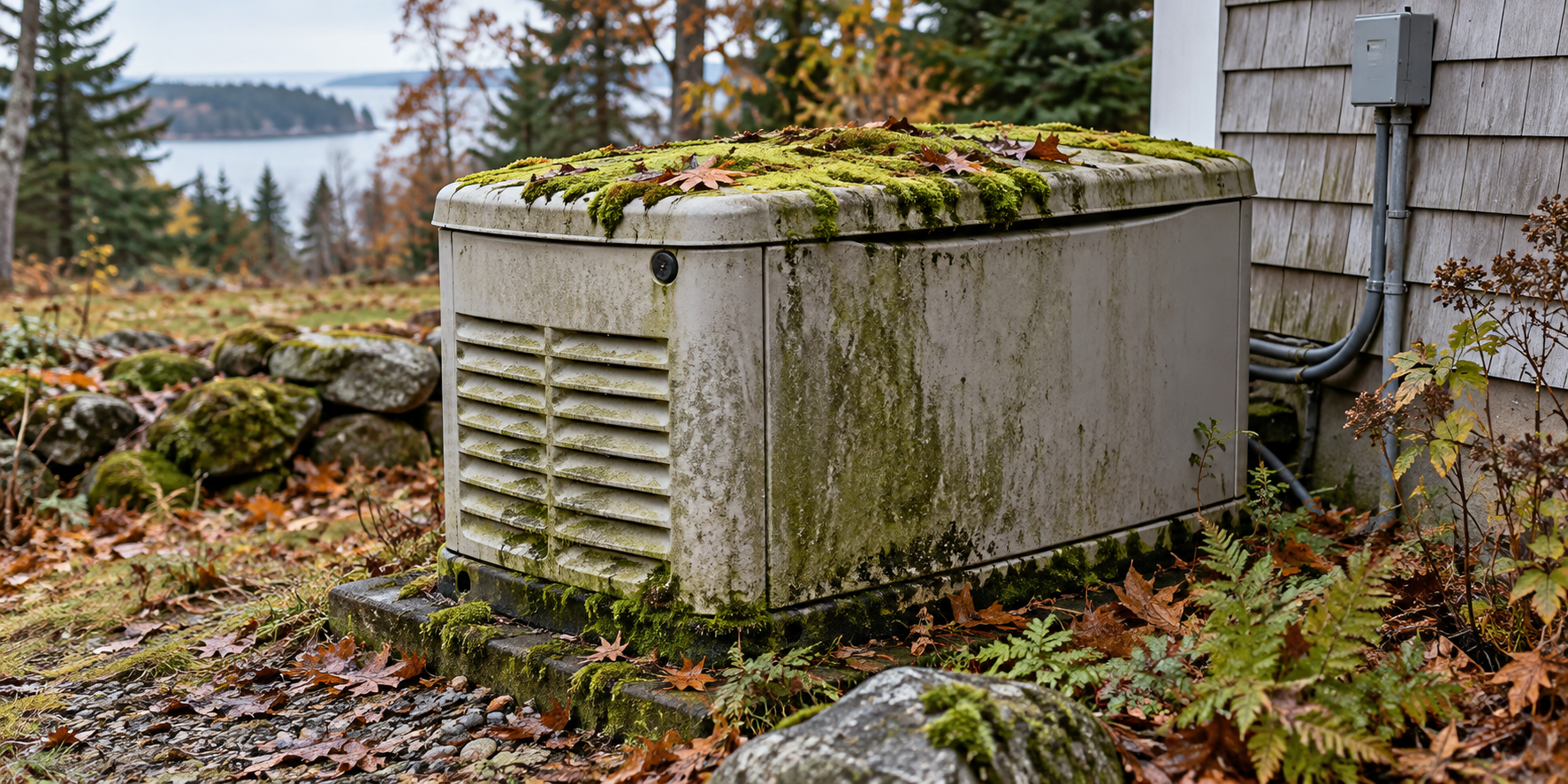
    We get this call a lot: “I bought a used—or new-to-me—generator or heat pump, and nobody will install it.” Maybe it is a lightly used standby generator, a mini-split still in its boxes, or equipment removed during a renovation. The price looked good. Then the owner started calling contractors and heard some version of, “We only install equipment we sell.”

    Need help with this now? Already bought a generator or heat pump and need an installer? Send Red Sky the model numbers and photos so we can discuss whether an evaluation makes sense. Call 207-801-0526 or request an equipment evaluation.

    That answer can feel like a sales tactic, especially after the equipment is already sitting in your garage. Often it is a contractor protecting the customer, the company, and a job whose unknowns can multiply quickly. At Red Sky at Night Electric – Heat Pumps Too!, we take a different approach: we are willing to evaluate used, new-to-you, and other customer-supplied generators and heat pumps. If the equipment is safe, compatible, supportable, and sensible for the property, we may be able to install it.

    Why many contractors say no

    When a contractor supplies a generator or heat pump, the equipment, accessories, design, installation, startup, and warranty path are usually one coordinated package. Customer-supplied equipment breaks that chain. The contractor did not choose the model, verify its history, store it, transport it, or confirm that every required part came with it.

    If the system does not work after installation, the customer may understandably see one failed project. The actual cause could be a bad control board, hidden shipping damage, an incorrect indoor-and-outdoor-unit pairing, a missing transfer-switch component, contaminated refrigerant piping, or an installation issue. Sorting responsibility can take longer than the installation itself.

    A bargain is not always a complete system

    A generator is more than the engine and enclosure. The job may require a compatible transfer switch, controls, wiring, overcurrent protection, a suitable fuel supply, correct placement, permits, startup procedures, and load planning. A heat pump needs correctly matched equipment, controls, line-set compatibility, electrical provisions, mounting, drainage, evacuation, commissioning, and manufacturer data.

    Model and serial numbers matter. So do installation manuals, service availability, recalls, discontinued parts, prior operating hours, and signs that equipment has been wet, dropped, cannibalized, or improperly disconnected. We would rather identify those issues before labor and materials are committed.

    Warranty and rebate expectations need to be realistic

    Used or resale equipment may have little or no remaining manufacturer protection. Warranty terms vary by brand and product. For example, Mitsubishi Electric states that resale purchases do not receive its warranty protection and support services. Generac says its home standby warranty transfers between owners at the original installation site, but moving a standby generator to another property compromises that warranty.

    Do not assume a rebate, extended warranty, or promotional financing program will accept equipment purchased secondhand or outside the program’s approved channel. We can help identify the questions, but the manufacturer or program administrator makes the final eligibility decision.

    Why Red Sky may still take the job

    Good equipment does not become useless merely because it changed hands. Sometimes a homeowner has found a sensible unit, inherited nearly new equipment, or needs a practical solution that does not fit a dealer’s standard sales package. We are willing to look at the actual job instead of rejecting it by policy.

    That is not a promise to install everything brought to us. It is a promise to give the equipment a fair technical evaluation. If it is appropriate, complete, supportable, and capable of being installed safely and legally, we can discuss a path forward.

    What our evaluation may include

    • Exact model and serial numbers for every major component
    • Photos, purchase information, operating hours, and known service history
    • Compatibility between equipment, controls, transfer equipment, or indoor and outdoor units
    • Condition of coils, connections, wiring compartments, cabinets, and included accessories
    • Availability of installation manuals, replacement parts, and technical support
    • Electrical load, breaker, conductor, disconnect, grounding, and service-capacity requirements
    • Fuel, refrigerant, drainage, placement, clearance, and permitting considerations

    Maine requires electrical work to follow the applicable permitting and inspection process. The state’s Electrical Permit guidance explains that electrical equipment generally may not be installed or altered before the proper permit is obtained, subject to the stated exceptions and local jurisdiction.

    The terms will be different from a new-equipment package

    With customer-supplied equipment, labor, added materials, diagnosis, and return trips are normally separate from the equipment itself. We cannot provide a manufacturer’s warranty the manufacturer does not offer, and we cannot absorb the cost of a pre-existing defect as though we sold a complete new system.

    There may also be a paid evaluation before we quote installation. That protects both sides: you learn what you actually bought, and we avoid pretending that an unknown machine can be priced like a known package.

    Already bought it? Send us the details

    If you already own the equipment, send clear photos of every data plate, all included components, any visible damage, and the seller’s description. Tell us where it came from, whether you have seen it operate, why it was removed, and where you want it installed. If you have not bought it yet, send those details before money changes hands—we may be able to flag a mismatch or missing piece before a bargain becomes an expensive project.

    For related services, see our generator and backup-power installation and heat-pump installation pages. If you’re in Waldoboro, Camden, Rockport, Damariscotta, or the surrounding Midcoast area, give us a call—or contact Red Sky at Night Electric – Heat Pumps Too! with the model numbers and photos.

    Manufacturer and Maine permitting references checked August 15, 2026. Acceptance of customer-supplied equipment is case-specific and subject to inspection, code requirements, parts availability, and a written scope of work.

    Have the equipment? Let’s look at the job.

    Send model numbers, equipment photos, and the installation address. Red Sky evaluates customer-supplied generators and heat pumps in Waldoboro, Camden, Rockport, Damariscotta, and surrounding Midcoast Maine communities. Installation depends on condition, compatibility, and a safe, practical plan.